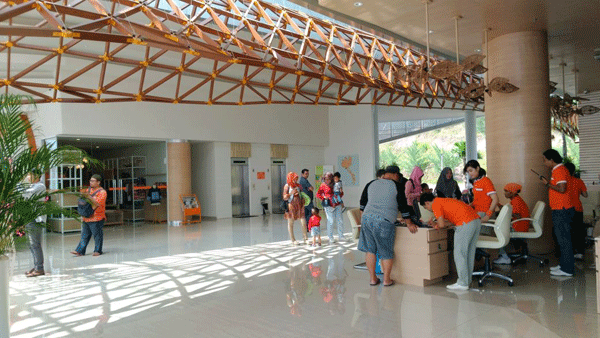
batambisnis.com – Positioned on the northwest coast of Batam Island, the Sekupang international ferry terminal serves as one of the primary maritime gateways connecting Indonesia directly to Singapore’s HarbourFront Centre. While countless tourists treat this coastal district as a mere concrete transit zone to rush through, it actually functions as a historically rich pocket featuring quiet seaside promenades, local seafood haunts, and gateway access to nearby island retreats.


Most travelers step off the ferry at Sekupang dragging heavy luggage, tunnel-visioned on catching a taxi straight to Nagoya Hill or Batam Center, completely blind to the vibrant local culture humming just fifty meters beyond the arrival gates. They see a weathered concrete pier and a chaotic parking lot, viewing the entire area as an inconvenience to survive rather than a place to explore. But once you slow down and understand how this district actually operates, the chaotic transit hub transforms into a fascinating cultural crossroads where traditional coastal kampong life meets modern cross-border commuter traffic.
Sekupang Defined: What This Batam Ferry Gateway Is and Isn’t
At its core, sekupang is an administrative district and a historic maritime port situated on the western hump of Batam Island, functioning primarily as a major passenger ferry link to Singapore. When practitioners look at this zone, we don’t see a polished resort town; we see a working-class logistical artery built for speed, efficiency, and cross-border trade. Understanding this distinction saves you from severe disappointment when you arrive expecting luxury beachfront cocktails and find bustling ferry ticket counters, hawker stalls, and local ferry workers instead.
Additional Information
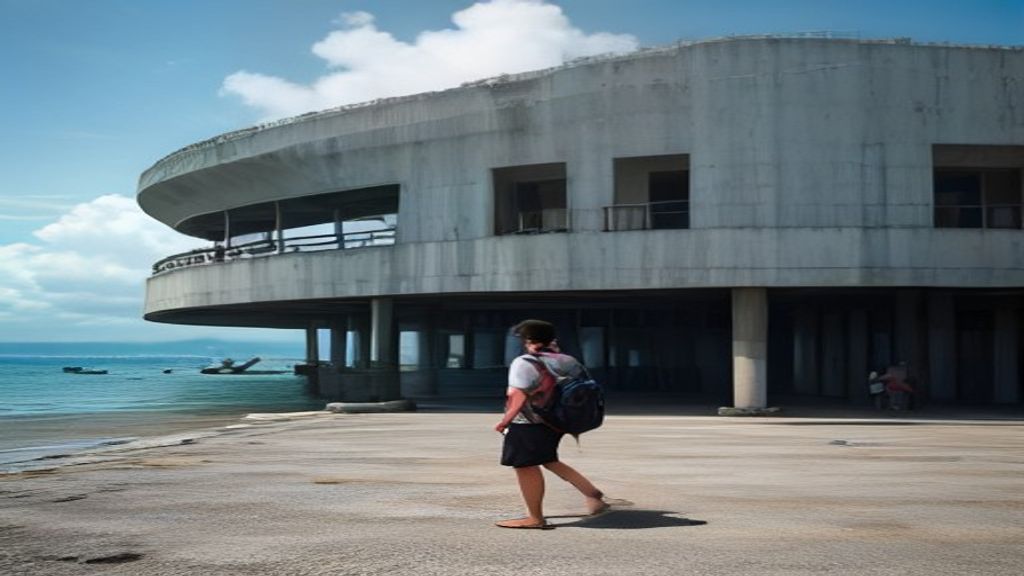
This matters deeply to you because misjudging the nature of Sekupang usually leads to poor hotel bookings and wasted itinerary hours. If you book a boutique resort here expecting a walkable beach strip like Bali or Phuket, you will find yourself isolated in a residential port suburb with limited nightlife. However, if you recognize Sekupang as an authentic, gritty, and incredibly convenient staging ground for island-hopping, your entire trip becomes frictionless.
Consider what happens when a first-time visitor arrives on the morning boat from Singapore. If they expect a resort boulevard outside the terminal doors, they panic at the rows of idling motorbike taxis and minivans. But a seasoned traveler steps past the commotion, grabs a quick local coffee at a nearby kopitiam, and immediately books a domestic speed boat to the Karimun islands or secures a direct ride to an eco-resort on Sekupang’s quieter northern coastline. Knowing what the area is—and crucially, what it isn’t—allows you to weaponize its location for maximum travel efficiency.
How to Navigate the Sekupang Ferry Terminal Like a Regular Commuter
Navigating the Sekupang ferry terminal requires mastering the choreography of immigration queues, ticket collection windows, and local transport negotiations without falling into tourist traps. The terminal building itself is split into distinct arrival and departure levels, managed by regional ferry operators like Batam Fast and Horizon Fast Ferry. In my experience, the secret to breezing through this terminal in under twenty minutes lies in having your physical passport, return tickets, and Indonesian customs declarations digitally organized before you even step off the boat from Singapore.
Why this matters to you is simple: a single bottleneck at the disembarkation gantry can add an hour to your journey during weekend peak periods. When thousands of Singaporean weekenders flood the terminal on Saturday mornings, traditional queues break down into chaotic human walls. Knowing how to bypass the initial tourist crush lets you secure your transport and grab local snacks while everyone else is still standing in line.
Picture this real-world scenario on a busy Sunday afternoon. The 4:00 PM ferry back to Singapore is boarding, and hundreds of passengers are frantically trying to print boarding passes and clear security at the exact same time. The rookie traveler joins the rear of the longest queue and starts sweating bullets as departure time approaches. Meanwhile, the savvy commuter walks directly to the priority counter or uses pre-printed mobile vouchers, clears immigration via the less congested side lanes, and settles into a Terminal seat with a fresh teh botol while others panic. For advanced digital workflows and itinerary management tips while traveling through regional hubs like this, tools similar to those discussed on platforms like CustomGPT can help automate your travel planning.
Getting beyond the arrival hall opens up a side of the island that most transit-only passengers never bother to see. While many travelers view sekupang as nothing more than a functional pipe connecting Singapore to the rest of Indonesia, the immediate surroundings offer a calm, green respite that feels light-years away from the industrial hum of the city center.
Hidden Gems of Sekupang: Beyond the Transit Zone and Concrete Docks
The true allure of this area lies in its topography. Unlike the flat, reclaimed land of other districts, this region is hilly and blanketed in secondary forests. If you have an extra four hours between your ferry arrival and your next appointment, head toward the local hills for a change of pace.
One of my favorite spots is the area surrounding the hills near the industrial estates, which offers surprisingly quiet viewpoints. You aren’t going to find manicured tourist traps here; instead, you’ll find rugged trails and local coffee stalls where the pace of life remains slow. Practitioners often recommend visiting the nearby forest parks during the morning hours, as the humidity climbs sharply by midday.
If you are looking for local interaction, the seaside eateries near the docks are where you find the real flavors. These aren’t high-end establishments. They are open-air warungs serving freshly caught fish and sambal that will wake you up faster than any espresso. I’ve found that by simply asking a local taxi driver for their favorite lunch spot away from the terminal, I end up with the best meal of the trip for a fraction of the cost of hotel dining.
- Look for the small, non-descript seafood stalls along the coastline; the fewer tourists you see, the better the quality usually is.
- Carry a small amount of local Rupiah cash, as these hidden spots rarely handle digital payments or international credit cards.
- If you get stuck or need local business intelligence, the team at the Batam Business Club (check them out at batambisnis.com or reach out via WhatsApp) can often provide updated insights on local developments.
Sekupang vs. Batam Center: Which Ferry Terminal and Area Fits Your Trip?
Deciding where to land often feels like a coin flip until you map out your actual priorities. If your main objective is proximity to the massive shopping malls and the dense concentration of business hotels, Batam Center is the logical choice. It’s the heartbeat of the island’s commerce. However, choosing the right ferry ticket to batam depends entirely on your specific itinerary goals.
Think of it this way: Batam Center is for the person who wants to be in the center of the action, while sekupang is for the traveler who values proximity to the western industrial corridors or who wants a quieter exit point. I generally suggest the latter if you are traveling for niche manufacturing meetings or if you simply prefer avoiding the frantic energy of the downtown ferry hub.
A common oversight is assuming all ports offer the same connectivity to transport. At Batam Center, you are inundated with ride-hailing options the moment you step out. In contrast, this area requires a bit more intentionality. You might need to coordinate your pick-up or have your hotel transfer arranged beforehand.
If you are just doing a quick business trip, check your meeting locations on a map first. If your partner is based in the western part of the island, arriving here saves you nearly an hour of gridlock traffic that you would otherwise endure if you landed at the downtown port. It’s a simple calculation: time spent on the water versus time spent in a car.
When booking your ferry ticket to batam, consider the return leg as well. Returning from this specific terminal is often much faster during peak evening hours because the volume of passengers is significantly lower than at the larger downtown hubs. I’ve personally shaved off thirty minutes of waiting time simply by choosing to depart from here rather than battling the masses at the more popular terminal.
Don’t let the simplicity of the terminal fool you. While it lacks the high-end retail shops of the larger ports, the efficiency of the check-in process is a massive benefit for those who just want to get home after a long trip. Keep an eye on the schedule, though, as frequencies can vary depending on seasonal demand. If you find yourself needing more tailored logistical support, the experts at the Batam Business Club are usually my first point of contact for navigating these regional nuances. You can ping them at this link if you’re ever unsure about which route best serves your schedule.
Frequently Asked Questions about Sekupang
What is the Sekupang Ferry Terminal?
It’s one of the primary international and domestic maritime gateways on Batam Island, connecting travelers primarily to Singapore’s HarbourFront centre and various domestic destinations like Karimun. Practitioners often recommend it for travelers aiming to bypass the heavy traffic congestion typically found around the downtown Batam Center port. The facility focuses heavily on practical commuter flow rather than sprawling retail experiences.
How do you get from Sekupang to Nagoya Hill shopping district?
You hop into a local metered taxi directly outside the arrival hall or use a ride-hailing app like Grab if the pickup zones permit. The drive generally takes about twenty to thirty minutes depending on local traffic conditions along Jalan Gajah Mada. If you prefer public transit, local minibuses (angkot) run routes toward downtown, though they require exact change and a bit of patience.
Also Read: Kapan Waktu Terbaik Meluncurkan Promo Produk untuk Hasil Maksimal?
Is Sekupang better than Batam Center for a weekend trip?
That depends entirely on your itinerary priorities. If your main goal is stepping off the boat and walking straight into a massive shopping mall, Batam Center wins hands down. But if you value a quieter arrival, faster immigration queues, and quicker access to west-coast seafood spots, this northern corridor is often the superior choice.
Can you walk from the Sekupang ferry terminal to local hotels?
Walking immediately outside the port area isn’t recommended for leisure travelers due to heavy industrial traffic and a lack of continuous pedestrian pathways. Most visitors take a quick five-minute transport ride to reach nearby accommodations or local eateries. Always secure your transport before stepping past the main terminal gates to avoid wandering the busy vehicle lanes.
What currency should I use when arriving at Sekupang?
Indonesian Rupiah (IDR) is required for all local transactions, from street food stalls to taxi rides. While some larger establishments near the terminals might accept Singapore Dollars (SGD) informally, you will receive a poor exchange rate. Grab a small amount of local cash from an ATM inside the terminal before heading out into the city.
How early should I arrive for a ferry departing from Sekupang?
Experienced regional travelers suggest arriving at least sixty minutes before your scheduled international departure time. This buffer gives you adequate time to clear passport control, collect boarding passes, and handle any unexpected luggage checks. Weekend mornings get particularly busy, so add another fifteen minutes to your schedule during peak holiday periods.
Planning regional itineraries requires local insight, especially when managing tight transit windows across different islands. For hands-on assistance or structured corporate travel arrangements, reach out to the team at the Batam Business Club via WhatsApp for more information. You can also visit Batam Business Club for similar services designed to streamline your regional movements.
Common Mistakes to Avoid
Stepping off the ferry at the sekupang international terminal feels exciting, but small logistical oversights can quickly drain your enthusiasm. Most travelers learn these lessons the hard way. Here is how you can skip the frustration and get straight to enjoying your trip.
- Relying entirely on digital ride-hailing apps at the pier.
Why it is wrong: While apps like Grab and Gojek work wonderfully in downtown Batam, local transport unions often restrict independent drivers from picking up passengers directly outside the primary ferry arrival gates. You might end up waiting twenty minutes while multiple drivers cancel your booking out of confusion or pressure from local operators.
What to do instead: Walk a short distance past the immediate terminal crowding toward the designated pickup zones, or simply use the official counter taxis stationed right outside the exit doors for a fixed, stress-free fare. - Assuming Indonesian Rupiah (IDR) is optional for small purchases.
Why it is wrong: Many visitors figure that because Singapore Dollars circulate freely in parts of Batam, they won’t need local paper currency for day-to-day items like bottled water, street snacks, or bemo rides. Vendors will gladly take your SGD notes, but they will calculate the exchange rate on the spot—and it will never favor you.
What to do instead: Keep a few hundred thousand rupiah in your pocket before leaving the terminal area, ensuring you always pay local prices without hidden conversion penalties. - Forgetting to double-check return ferry schedules before heading inland.
Why it is wrong: Regional sea transport schedules shift dynamically based on weather conditions, tide levels, and seasonal demand. Travelers frequently assume the last boat back to Singapore leaves at the exact same time every day of the week.
What to do instead: Confirm your departure slot with the ferry operator as soon as you arrive at the port, or check live updates directly through your booking portal before spending the whole day exploring remote corners of the island.
Advanced Tips From Practitioners
Experienced regional travelers and business commuters operate differently than weekend tourists. They know that mastering the subtle rhythms of sekupang saves both time and nervous energy during busy cross-border transits.
Pack a dedicated power bank in your carry-on bag rather than your checked luggage. Indonesian immigration halls and ferry waiting areas occasionally experience high cellular congestion, which drains smartphone batteries at an alarming rate when you are trying to pull up boarding passes or coordinate meetups.
If you are planning an extended stay or coordinating corporate delegations across multiple Riau Islands, managing your schedule efficiently requires localized support. For hands-on assistance or structured corporate travel arrangements, reach out to the team at the Batam Business Club via WhatsApp for more information. You can also visit Batam Business Club for similar services designed to streamline your regional movements. Feel free to chat now to discuss your specific itinerary details with an on-the-ground coordinator who speaks your language.
Finally, always keep a printed backup of your accommodation bookings and return tickets. Digital screens crack, phones run out of power, and occasional local network drops happen when you least expect them. Having physical paper slips handy turns a potential travel headache into a mere two-second formality.
References & Sources
Watch the Related Video
Do Not Miss! Watch the Video Above and Learn More.
Click Here for More Information

A Blogger, Writer, and Digital Marketing Specialist dedicated to helping local SMEs (Small and Medium Enterprises) grow and promote their businesses across Indonesia, Singapore, and Malaysia.
Author: Armein Hutagaol
A Blogger, Writer, and Digital Marketing Specialist dedicated to helping local SMEs (Small and Medium Enterprises) grow and promote their businesses across Indonesia, Singapore, and Malaysia.